Rooting Cuttings in Soil vs. Water: Which Is Better?

Ask ten plant people whether to root cuttings in water or soil and you will get ten confident answers. The honest version is that both work, they work differently, and the better choice depends on the plant and on what you find easier to keep alive.
The Roots Themselves Are Different
This is the part most beginners never hear. A root that forms underwater is not the same structure as a root that forms in a solid medium. Water roots tend to be thinner, more brittle, and less branched, because they never had to push through resistance or hunt for moisture pockets. Soil roots develop finer hairs and tougher tissue.
University of Minnesota Extension states it directly in its propagation guidance: plant roots grown in water are weaker than those grown in solid rooting media. That single fact explains almost every complaint people have about water propagation, including the mysterious slump a cutting takes a week after potting up.
Water: Pros and Cons
What is good about it. You can see everything. You know within days whether a cutting is rotting or rooting, which is enormously reassuring when you are new. There is no medium to over-water or under-water. Setup costs nothing. It also looks attractive on a shelf.
What is not. The roots are fragile. Water holds far less dissolved oxygen than an airy potting mix, so stagnant water suffocates the cut end and invites rot. And water contains essentially no nutrients, so a cutting left in a jar for months eventually stalls, yellows, and declines.
Soil: Pros and Cons
What is good about it. The plant builds the right root system the first time, so there is no transition step and no transplant slump. The medium holds air around the cut end, which reduces rot in many species. It is also the only realistic option for woody and semi-woody cuttings.
What is not. You are working blind. A cutting can be quietly rotting for two weeks before you notice. Moisture management is genuinely harder: too wet and it rots, too dry and it dies before roots form. UGA Extension recommends a rooting medium that is sterile, fine-textured, weed-free, and without fertilizer, typically peat blended with perlite, which tells you plain garden soil is the wrong choice.
The Transition Problem
Moving a water-rooted cutting into soil is the single most common failure point. The cutting has spent weeks with unlimited moisture and no need to seek it out. Dropped into a pot that dries out normally, those thin water roots can desiccate faster than the plant can grow replacements.
Three things reduce the shock. Pot up early, when roots are one to two inches rather than six. Keep the soil noticeably moister than usual for the first two or three weeks. And choose a small pot, since a large volume of wet soil around a tiny root system is its own hazard.
Which Plants Suit Which Method
Water works beautifully for soft-stemmed tropicals that root fast. Pothos, philodendron, tradescantia, coleus, and impatiens are classic candidates. University of Missouri Extension lists coleus, impatiens, philodendron, and pothos among the plants that root easily in water, describing coleus as the easiest of all.
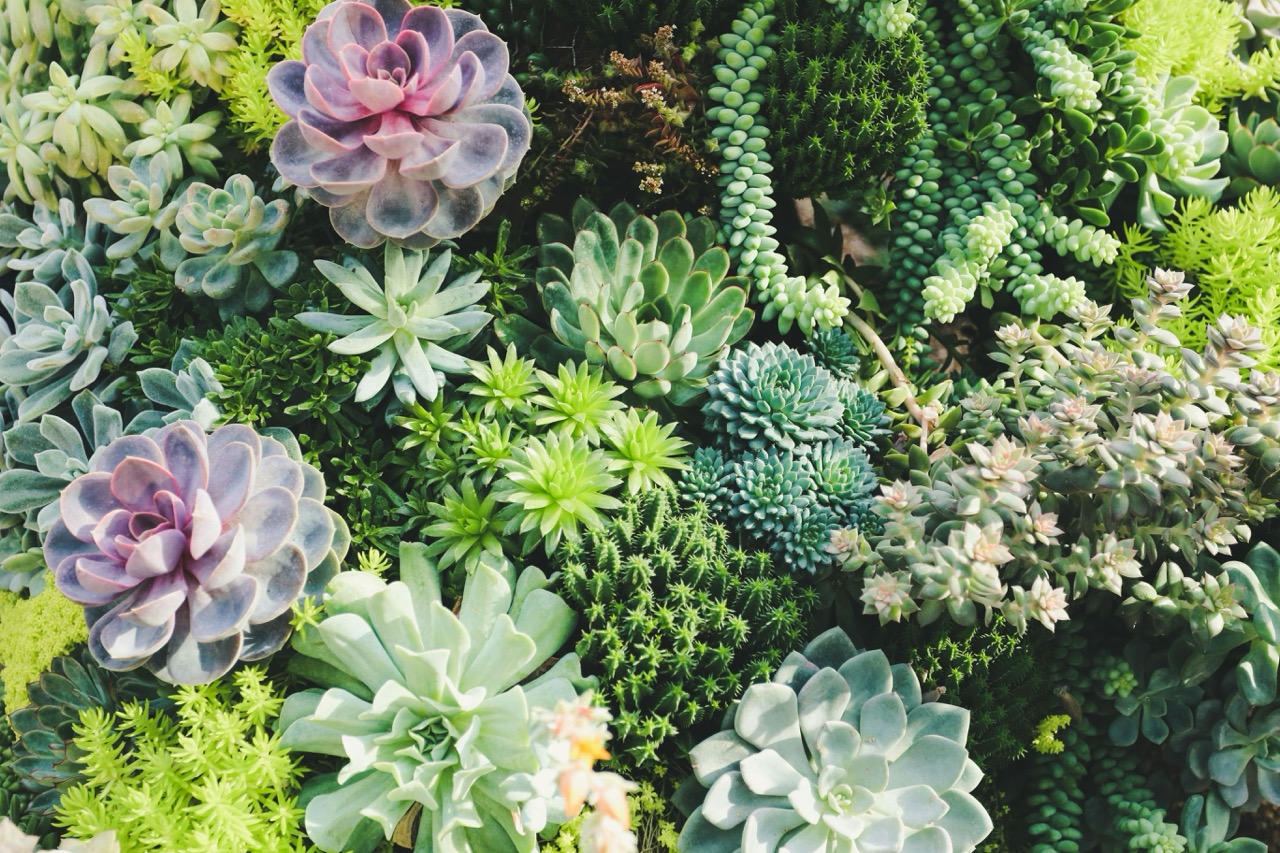
Soil is the better bet for succulents and cacti, which rot in water almost immediately, for fuzzy-leaved plants like African violets, and for anything woody such as rosemary, hibiscus, or ficus. Those need the air exchange and the sturdier root architecture that a medium provides.
How to Improve Your Odds Either Way
- Sanitize your snips with rubbing alcohol before every cutting session. Most rot starts with a contaminated cut.
- Include at least one node below the surface, whether that surface is water or mix.
- Strip lower leaves so nothing leafy sits buried or submerged.
- Give bright indirect light, not deep shade and not scorching sun.
- Refresh water every few days, or keep soil evenly moist without letting it turn to mud.
- Take several cuttings. Some will fail regardless of method, and a batch of five removes the pressure from any single one.
If you are brand new, start in water for the confidence and the visual feedback. Once you trust yourself to judge moisture, soil rooting will give you better plants with fewer steps.
Shopping for plants this weekend?
Our directory lists plant nurseries and garden centers across the US with each one's address, phone, and website, so you can buy from real local growers.
Find a nursery near you