Propagation Stations: A Fun Way to Root Cuttings

A propagation station is just a tidy arrangement of vessels holding cuttings in water. That is the whole concept. What makes it worth talking about is that it takes something you would otherwise hide in a jar by the sink and turns it into a display you actually want to look at, while the plants do their thing.
What Counts as a Propagation Station
Anything from a wooden rack of test tubes to three mismatched jam jars on a windowsill. The common features are clear glass so you can watch roots develop, individual vessels so each cutting stays separate, and a stable arrangement that will not tip when you bump the shelf.
The functional benefit over a single crowded jar is real: if one cutting starts to rot, it does not contaminate the water of every other cutting.
DIY vs. Bought Setups
Bought stations are usually a wood or metal frame holding glass tubes or bulbs. They look intentional, they hold tubes securely, and they cost more than the plants going in them. The main practical drawback is narrow tubes, which hold little water, go stale faster, and make it awkward to extract a rooted cutting without damaging roots.
DIY versions cost nothing. Small glass bottles, spice jars, olive jars, and drinking glasses all work. Larger openings and larger water volumes are genuinely easier to maintain. If you like the rack look, a narrow wooden shelf or a bud vase holder does the job.
Function beats aesthetics here, and wide-mouthed vessels are more forgiving.
Keeping the Water Healthy
This is the part that determines whether your station is a nursery or a science experiment gone wrong. Water sitting still loses dissolved oxygen, and roots need oxygen just like leaves do. At the same time, any decaying plant matter feeds bacteria.
UGA Extension advises rooting in water using clean containers with room-temperature water changed every 3-5 days. Follow that schedule and most of your problems disappear before they start.
A few habits help:
- Strip submerged leaves. Any leaf below the water line will rot and foul the water within days.
- Change water on sight, not just on schedule. Cloudiness or a slick film on the glass means change it now.
- Rinse the vessel when you change the water. Biofilm clings to the glass and reseeds the fresh water immediately.
- Rinse the roots gently under the tap while you are at it.
- Use room temperature water. Cold water straight from the tap shocks tender roots.
- Keep it out of direct sun. Sunlight on a glass vessel grows algae and heats the water. Bright indirect light is the target.
You do not need an air pump or aquarium bubbler. Regular water changes accomplish the same thing.
Best Plants to Display and Root
Choose plants that root reliably in water and look attractive doing it. University of Missouri Extension lists coleus, impatiens, philodendron, and pothos among the plants that root easily in water, calling coleus the easiest of all.
Beyond those, tradescantia roots fast and brings purple and silver color, monstera cuttings look architectural in a large vessel, and begonia and spider plant babies both perform well. Aroids in general are good candidates because their thick white roots are genuinely handsome against glass.
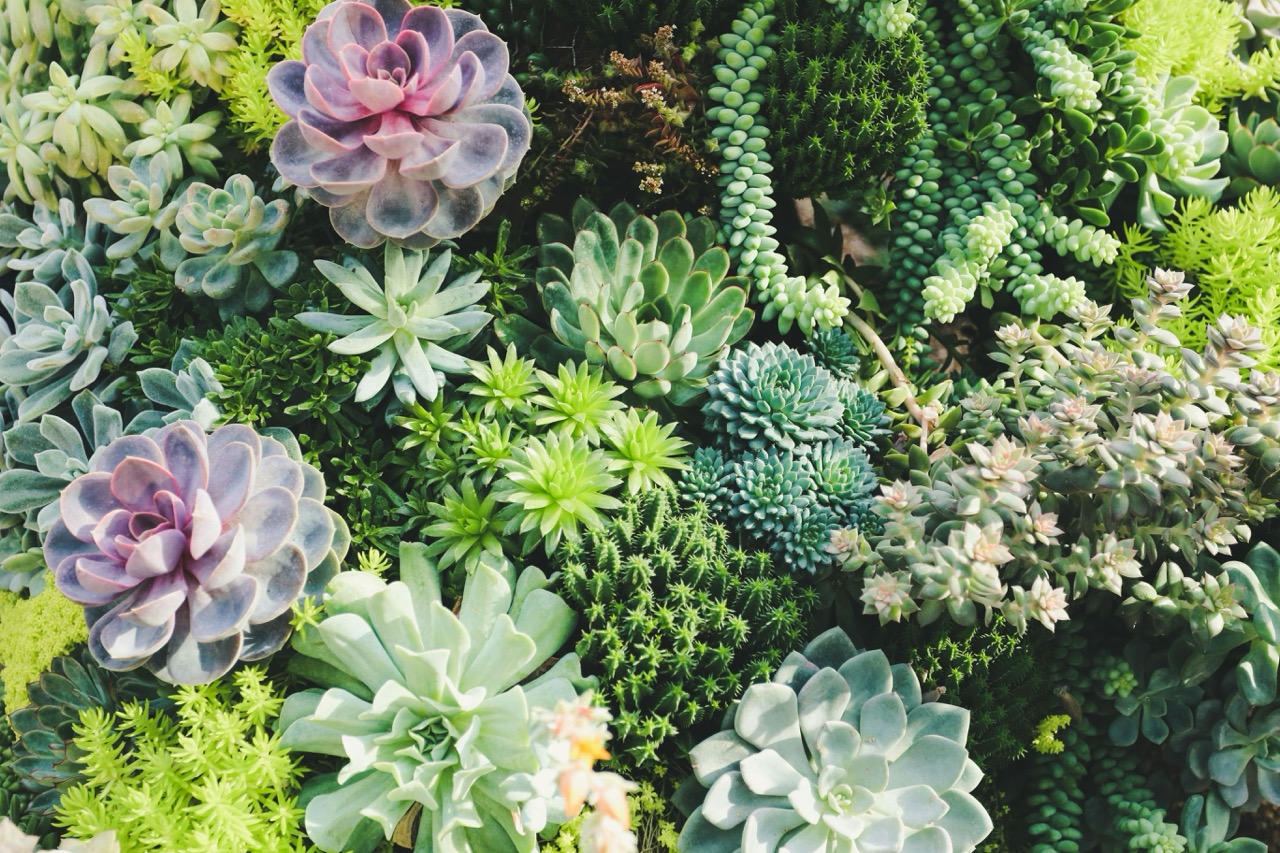
Avoid succulents and cacti entirely. They rot in water rather than root. Fuzzy-leaved plants like African violets also do poorly, and woody herbs such as rosemary are unreliable in water.
Knowing When to Move On
A propagation station is a waypoint, not a permanent home. Water contains almost no nutrients, so a cutting left indefinitely will eventually stall, yellow, and decline no matter how pretty the setup is.
Pot cuttings up once roots reach two to three inches with some branching. Waiting longer makes the transition harder, because roots grown in water are structurally weaker than roots grown in a solid medium and adjust poorly when they are large and well established.
Styling It
Group vessels of varying heights rather than lining up identical ones, which reads as more deliberate. Odd numbers tend to look better than even. Keep it near a window with bright indirect light, which is both the practical requirement and usually the most visible spot in the room.
Mixing leaf shapes and colors, such as a variegated pothos next to a purple tradescantia, gives more visual interest than a row of the same cutting. And accept that the display is temporary by design. The station is always turning over, which is part of the appeal.
Shopping for plants this weekend?
Our directory lists plant nurseries and garden centers across the US with each one's address, phone, and website, so you can buy from real local growers.
Find a nursery near you