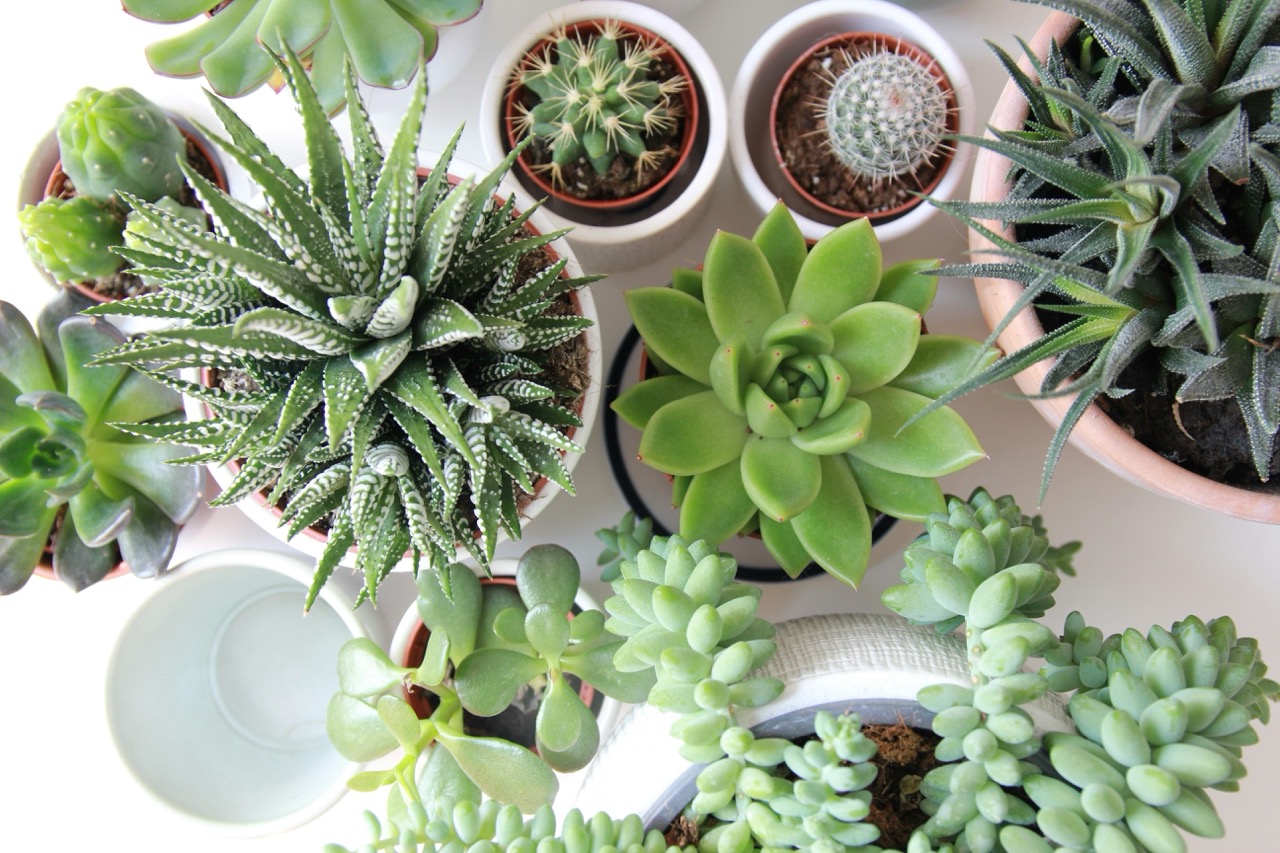
Best Low-Maintenance Plants for Busy People

If you have killed a few plants, the problem is probably not you. It is usually that you picked a plant that needed daily attention from someone who is out of the house eleven hours a day. The fix is choosing species that were built for neglect in the first place.
What makes a plant forgiving
Three traits do almost all the work.
Water storage. Plants with thick fleshy leaves, swollen stems, or fat underground rhizomes carry their own reserve. When you forget them for three weeks, they simply live off savings. Snake plants, ZZ plants, and ponytail palms all do this.
Light flexibility. A plant that only performs in one exact light level will fail in most homes. The forgiving ones tolerate a wide range, so wherever you put them is probably acceptable.
Slow growth. Fast growers need frequent water, food, and repotting. Slow growers stay in the same pot for years and ask for very little.
The reliable picks
Iowa State Extension's list of easy houseplants is a good place to start, and it is refreshingly blunt about how these plants actually die. Of the snake plant, it notes you can grow it in low to direct light, in well-drained potting soil, allowing the soil to dry between waterings, and that overwatering is essentially the one way to lose it.
- Snake plant. Handles nearly any light from a dim hallway to a sunny window, stores water in its leaves, and prefers to be forgotten. Penn State Extension puts it plainly: you can neglect to water it for a month or so and it will be no worse for wear.
- Pothos. Grows in low to moderate light, tolerates irregular watering, and wilts visibly before it suffers, which is a helpful early warning. Easy to propagate too.
- ZZ plant. Does exceptionally well in low light and tolerates dry conditions and low humidity. Close to indestructible in an office.
- Cast iron plant. Named for exactly this reason. Tolerates low light and a lack of water.
- Peperomia. Compact, thick-leaved, and content to dry out moderately between waterings.
- Ponytail palm. Stores water in its swollen base and resents being watered often.
Notice what these have in common. Almost none of them want consistently moist soil. If you are busy, avoid plants that do.
Set it up so it needs less care
The pot and soil you choose determine how much attention a plant demands.
Use a pot with a drainage hole. This is not optional. Without one, water pools at the bottom and roots rot, which is the fastest way to kill any plant on this list. Glazed ceramic and plastic hold moisture longer than terracotta, which is an advantage when you are gone a lot. Terracotta suits someone who tends to overwater.
Choose the pot size deliberately. A pot only slightly larger than the root ball dries at a sensible pace. A huge pot around a small plant stays wet for weeks. For succulent-type plants, use a fast-draining mix rather than dense standard potting soil.
Then place the plant somewhere you actually walk past. Plants in guest rooms die because nobody sees them.
A realistic minimum routine
Here is the whole schedule for a low-maintenance collection.
- Every one to three weeks: push a finger into the soil. Water only the pots that are dry, and water those thoroughly until it drains out the bottom. Empty the saucer.
- Once a month in spring and summer: a diluted liquid fertilizer. Skip it entirely in fall and winter.
- Every few months: wipe dust off the leaves and pull anything yellow.
- Every two to four years: repot if roots are crowding the container.
That is genuinely it. Maybe twenty minutes a month for a shelf of plants.
Pairing with self-watering tools
Self-watering pots suit moisture-lovers like peace lilies and ferns, but they are a poor match for snake plants, ZZ plants, and succulents, which need their soil to dry out completely. For those, the best tool is a calendar reminder, and permission to ignore it when the soil is still damp.
Shopping for plants this weekend?
Our directory lists plant nurseries and garden centers across the US with each one's address, phone, and website, so you can buy from real local growers.
Find a nursery near you