Dividing Plants: A Simple Guide to More Plants for Free
Division is the fastest propagation method there is. You are not persuading a bare stem to grow roots and hoping for the best. You are taking a plant that has quietly become several plants sharing one pot and giving each one its own home. There is no rooting stage, no waiting weeks in a jar, and the success rate is far higher than with cuttings.
Which Plants Can Be Divided
Division works on clumping plants, meaning plants that produce multiple growing points or crowns from the base rather than one central stem. Look at the soil surface. If you see several separate shoots or rosettes emerging, each with its own leaves, you have a divisible plant.
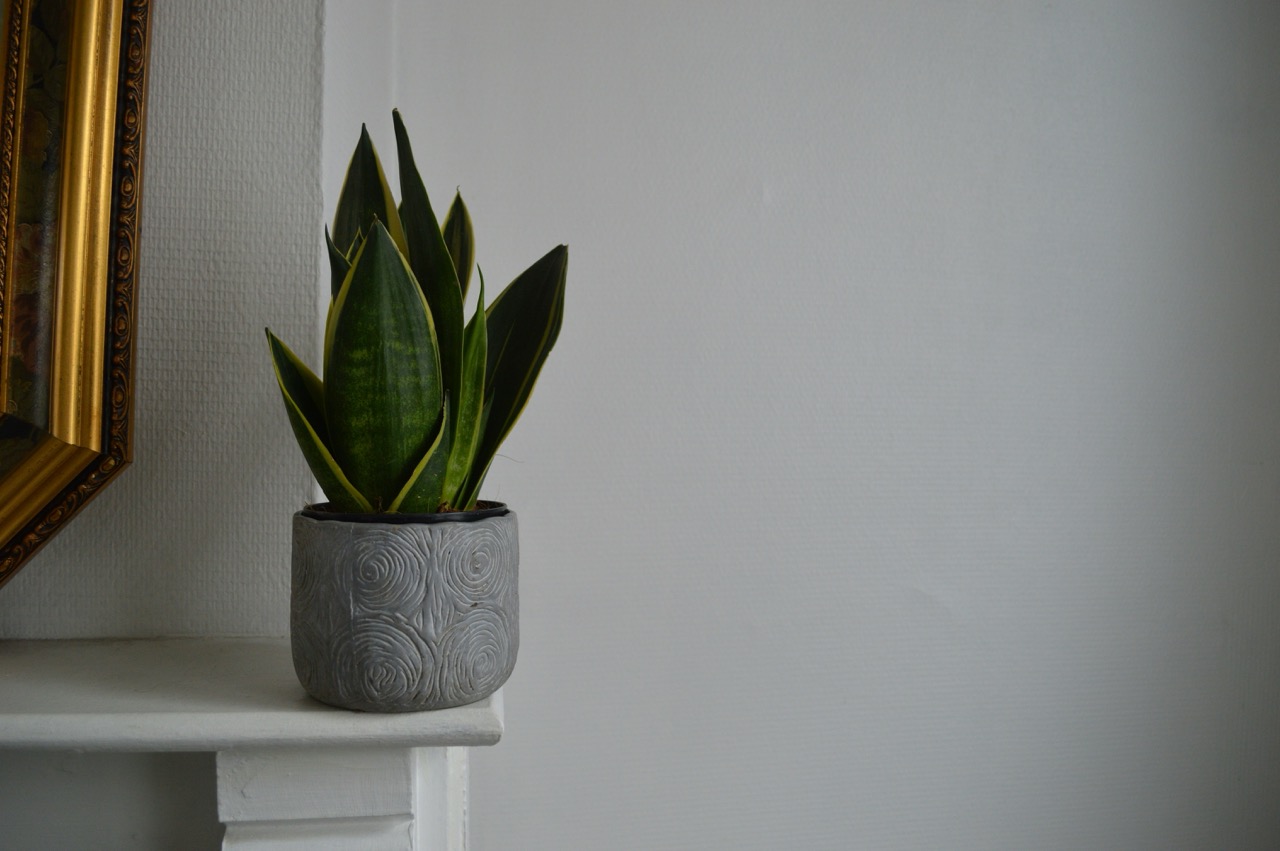
Common indoor candidates include snake plants, peace lilies, spider plants, calathea and prayer plants, most ferns, aloe and other succulent rosettes that produce pups, ZZ plants, cast iron plant, and asparagus fern.
Plants with a single trunk or vine cannot be divided. A rubber tree, a monstera on one stem, a dracaena, or a fiddle leaf fig has only one growing point, and cutting through it just gives you a wounded plant. Those need cuttings or air layering instead.
University of Missouri Extension describes division as the easiest method of multiplying plants that naturally produce offsets or basal shoots, which is a good test to apply before you reach for a knife.
Best Timing
Divide when the plant is entering a growth phase rather than shutting down. For most houseplants that means spring or early summer, when lengthening days and warmer temperatures give the divisions energy to rebuild roots quickly. Dividing in the dark of December is not fatal, but recovery will be noticeably slower.
Outdoor perennials follow the same logic on a seasonal schedule. University of Minnesota Extension notes that plants divided in spring have the entire growing season to recover before winter.
Signs your plant is asking for it: roots circling the pot or escaping the drainage holes, water running straight through, a bare or dead patch in the middle of the clump, or growth that has visibly slowed despite good care.
Step by Step: Separating Without Damage
- Water the day before. A hydrated plant handles root disturbance far better than a dry, stressed one.
- Slide the plant out. Tip the pot sideways and support the base. Squeeze a plastic pot to loosen it. Never yank on the leaves.
- Clear the root ball. Loosen and remove enough soil that you can actually see where the crowns separate. A gentle rinse under the tap helps on a badly tangled root mass.
- Find the natural seams. Most clumps come apart along visible divisions between growing points. Work your thumbs in and tease them apart.
- Cut only when needed. Thick rhizomes, like those on snake plants and ZZ plants, need a clean sharp knife. Sanitize the blade first with rubbing alcohol.
- Keep divisions substantial. Minnesota Extension advises that each division should have three to five vigorous shoots and a healthy supply of roots. Two tiny divisions that survive beat six that starve.
- Trim damaged roots. Snip off anything mushy, black, or clearly broken.
Potting and Aftercare
Pot each division into a container sized to its root mass, not to its future ambitions. Excess soil around a small root system stays wet and invites rot. Use fresh potting mix and firm it in gently so there are no large air pockets.
Water thoroughly right away to settle the soil. Then move the divisions somewhere with slightly lower light than usual for a week or two, because reduced roots cannot support full-throttle transpiration. Keep the mix evenly moist, and hold off on fertilizer for at least a month. Freshly cut roots are wounds, and fertilizer salts on wounds cause damage rather than growth.
What Recovery Looks Like
Expect a sulking period. Some drooping in the first few days is normal, and losing an outer leaf or two is common. New growth typically appears within four to eight weeks in the growing season.
What is not normal is continued collapse after two weeks, or mushy stems at the soil line, which usually means the mix is staying too wet. Resist the urge to water a droopy division more. It is short on roots, not short on water.
Shopping for plants this weekend?
Our directory lists plant nurseries and garden centers across the US with each one's address, phone, and website, so you can buy from real local growers.
Find a nursery near you