The lush plant-filled rooms you see online usually took years and a fair amount of money to build. But most of the cost is optional. The single biggest expense in a plant collection is buying mature plants at retail, and there are several ways around that.
Here is how to build volume and a coherent look without spending much.
Propagation Is the Whole Strategy
One pothos can become eight pothos in a season. That is not an exaggeration, and it is the core of any budget jungle.
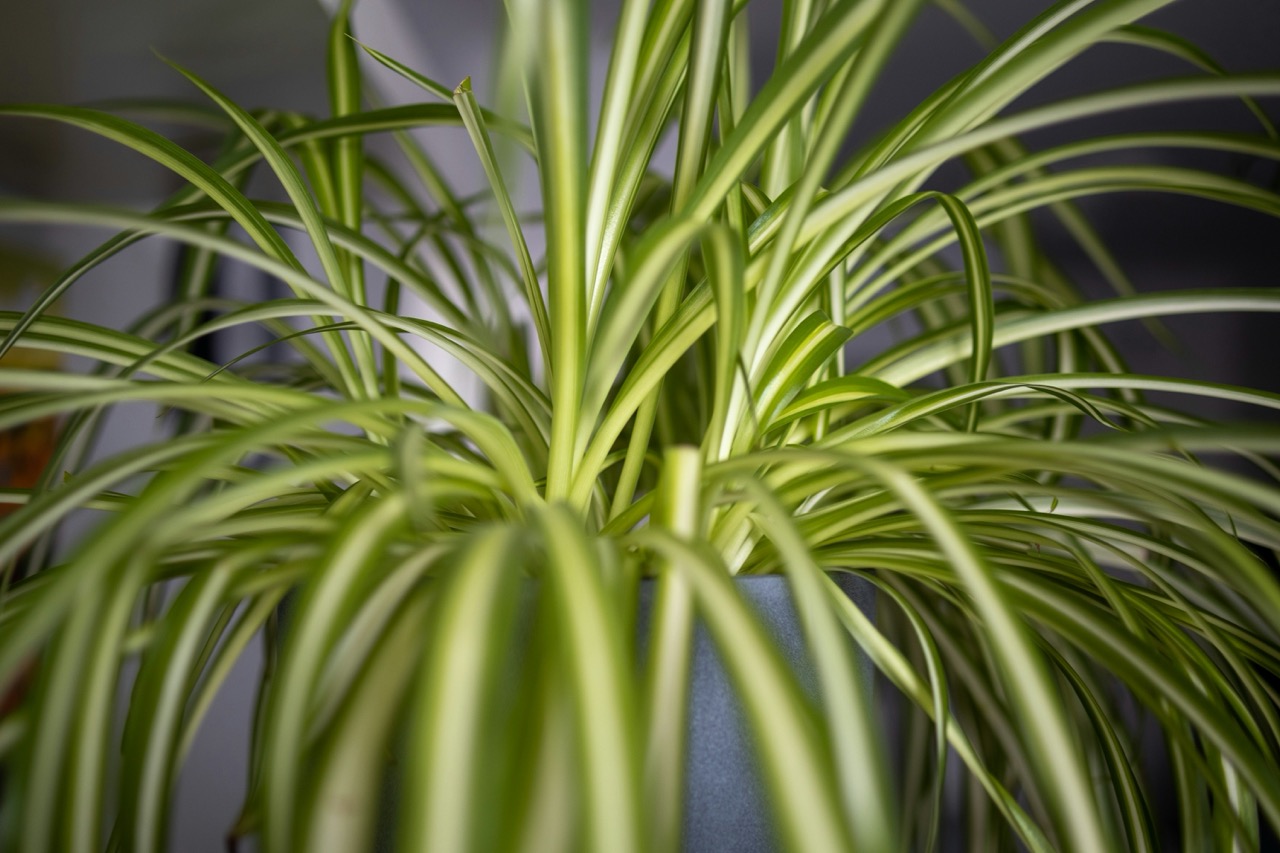
Trailing aroids are the easiest starting point. Pothos, philodendron, and monstera root readily from stem cuttings that include a node, either in water or straight into moist potting mix. Spider plants hand you fully formed plantlets on runners. Snake plant and ZZ plant divide at the rhizome. Peperomia, tradescantia, and hoya all root from cuttings with little fuss.
Two practical notes. Take cuttings during active growth in spring and summer, when plants root fastest. And plant three or five rooted cuttings into one pot rather than one each, since a fuller pot reads as a mature plant while a single sparse cutting reads as a science project.
Be aware of what you are handling. Missouri Botanical Garden notes that all parts of golden pothos are poisonous if ingested, so keep cuttings and rooting jars away from pets and small children.
Limit Your Planter Palette
This is the styling move that makes a cheap collection look expensive. Mismatched pots are what make a plant collection read as accumulated clutter rather than a designed space.
Pick one or two materials and stick to them. All terracotta. All white ceramic. Terracotta plus black. Vary the sizes and shapes freely, but hold the material and color steady, and suddenly twenty random plants look like a collection.
Terracotta is the budget champion here. It is cheap, widely available in every size, breathable for roots, and the warm orange tone flatters nearly any foliage. If you already own a pile of mismatched pots, a can of spray paint in a single color unifies them for a few dollars.
Shop Smart, Not Often
When you do buy, buy well.
- Small plants cost a fraction of large ones and catch up faster than you expect in good light.
- Check the clearance rack. Plants marked down for a few damaged leaves usually recover completely with decent care.
- Plant swaps, local gardening groups, and friends with overgrown collections are free sources of cuttings.
- End of season sales at garden centers move inventory cheaply.
- Big-box stores often sell a single pot containing several separate plants, which you can divide into three or four pots on the drive home.
Buy plants that suit the light you actually have. The most expensive plant is the one that dies, and the second most expensive is the one you replace repeatedly.
Layer Heights With Cheap Structure
Volume in a room comes from filling vertical space, and vertical space is free. You just need something to stand on.
Stools, upturned crates, stacked books, a length of board on two bricks, and simple ladder shelves all lift plants into the middle and upper zones of a room. Ceiling hooks and wall brackets take care of the top. A single plant at floor level occupies one spot; the same plant on a stand with a trailer above it fills a whole corner.
Aim for at least three heights in any grouping. That is what turns a row of pots into something that feels like a jungle.
Group for Impact and for the Plants
Clustered plants look far more abundant than the same number scattered one per surface. Three medium plants in a corner make more of an impression than three medium plants in three rooms.
Grouping also does something practical for the plants themselves. University of New Hampshire Extension explains that clustering creates a microclimate, because water evaporating from the potting media and transpiring from the leaves raises relative humidity around the group. They are honest about the limits, noting that the strategy works best with several plants and in a small room with low airflow.
That is a genuine free upgrade for tropical plants in a dry home, and it costs nothing but rearranging.
Be Patient on Purpose
A budget jungle is built with time instead of money. Root a few cuttings this month, pot them up next season, divide something in spring, and in two years you will have a room that looks like it cost a fortune.
Focus on keeping alive what you already own. Ten thriving plants look better than thirty struggling ones, and they cost a great deal less.
